Product Overview
- Thymosin Alpha-1 is a highly recognized immune-system related research peptide that has attracted major scientific attention for its connection to immune signaling, cellular communication, and immune-response modulation studies.
- This peptide is naturally associated with thymic function and has become an important topic in immunology-focused peptide research environments.
- Thymosin Alpha-1 is widely explored in scientific studies connected to immune regulation, T-cell activity, cytokine signaling, inflammatory response pathways, and overall immune-system communication mechanisms.
- Researchers frequently investigate this peptide because of its relationship with adaptive immune system coordination and cellular defense signaling processes.
- The compound has gained significant visibility in modern peptide research because of increasing scientific interest in immune optimization, recovery-related signaling, resilience-focused investigations, and cellular communication pathways.
- Thymosin Alpha-1 is often considered one of the most respected immune-related peptides within advanced peptide research discussions.
- The peptide has been explored across multiple scientific fields involving immunology, infectious disease research, inflammatory pathway analysis, cellular signaling investigations, and immune-response modulation studies.
- Due to its broad research relevance, Thymosin Alpha-1 has become a widely discussed peptide among researchers interested in immune-system dynamics and biological defense communication systems.
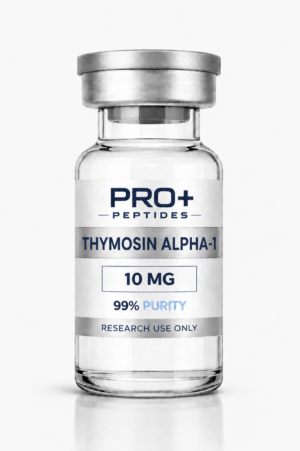
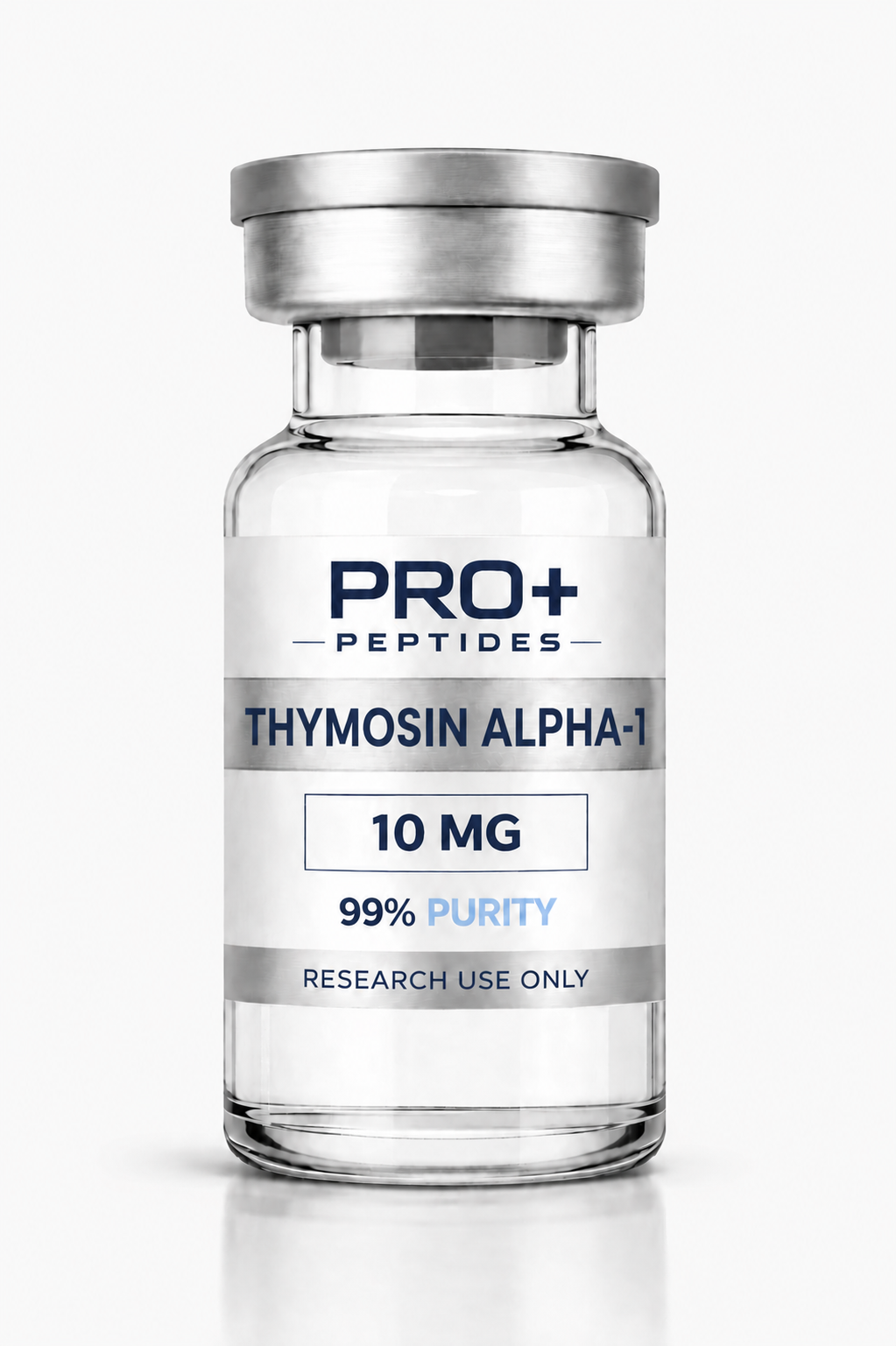
- The 10mg research format provides a concentrated peptide quantity suitable for laboratory handling, peptide storage procedures, analytical testing, and structured research applications.
- Thymosin Alpha-1 is frequently recognized for its professional peptide presentation, modern research-oriented branding, and premium laboratory-style peptide formulation aesthetics.
Key Research Characteristics
- Immune-system focused research peptide.
- Frequently studied in immunology and cellular signaling investigations.
- Associated with thymic-related biological pathways.
- Widely researched for immune communication and response modulation.
- Explored in cytokine signaling pathway studies.
- Commonly investigated in adaptive immune-system research.
- Frequently discussed in inflammation-related peptide exploration.
- Included in cellular defense and resilience pathway studies.
- Often associated with advanced recovery and immune coordination investigations.
- Recognized within modern immune-focused peptide research communities.
- Frequently examined in T-cell signaling research environments.
- Popular in peptide studies involving biological response regulation.
Scientific and Mechanism Research Overview
- Thymosin Alpha-1 is primarily researched because of its relationship with immune-system communication and cellular signaling pathways.
- Researchers frequently investigate how this peptide interacts with immune cells involved in adaptive immune responses and biological defense coordination.
- Scientific interest often centers around its influence on T-cell activity, immune regulation systems, and cytokine communication pathways.
- The peptide is commonly explored in studies involving immune-system balance and coordinated cellular response signaling.
- Research environments frequently analyze how Thymosin Alpha-1 may influence communication between various immune-response components.
- Scientists continue investigating its potential role in immune resilience and biological adaptation studies.
- The peptide is often discussed in connection with inflammatory pathway regulation and immune-system modulation research.
- Researchers are interested in how Thymosin Alpha-1 may support communication processes associated with cellular defense mechanisms.
- Scientific studies frequently examine the peptide’s relationship with innate and adaptive immune-system interactions.
- The compound has also been explored in broader biological signaling investigations involving recovery-focused research environments.
- Modern immunology-focused peptide studies increasingly examine Thymosin Alpha-1 because of the growing scientific attention surrounding immune optimization pathways.
Areas of Scientific Interest
Immune-System Research
- One of the most researched aspects of Thymosin Alpha-1 involves immune communication and immune-system coordination studies.
- Frequently investigated in immunology-focused research environments.
- Studied in relation to immune-response signaling efficiency.
- Researchers analyze its role in adaptive immune pathway investigations.
- Commonly explored in T-cell activity and immune-cell communication studies.
Cellular Communication Research
- Frequently examined in studies involving cytokine signaling pathways.
- Investigated for effects related to cellular signaling coordination.
- Explored in biological communication-system research.
- Researchers analyze how immune cells respond to peptide-mediated signaling activity.
- Often associated with advanced cellular response investigations.
Inflammation and Recovery Research
- Widely discussed in inflammation-related scientific studies.
- Frequently included in recovery-focused peptide research discussions.
- Explored in investigations involving immune resilience and biological adaptation.
- Studied in relation to controlled inflammatory signaling pathways.
- Commonly associated with immune recovery communication systems.
Advanced Immunology Research
- Popular within modern immune-system peptide investigations.
- Frequently discussed in advanced immunological pathway research.
- Studied for its role in biological defense signaling systems.
- Included in broader immune-modulation peptide discussions.
- Considered one of the leading peptides in immune-focused scientific exploration.
Why Thymosin Alpha-1 Has Become So Popular
- The peptide has gained major scientific attention because immune-system research has become one of the fastest-growing areas within peptide science.
- Researchers are increasingly interested in peptides connected to immune coordination and resilience signaling pathways.
- Thymosin Alpha-1 is widely recognized because of its strong association with immunology-focused scientific investigations.
- The peptide has become especially prominent in discussions involving cellular defense mechanisms and immune communication systems.
- Scientific interest expanded significantly due to growing research into inflammatory signaling and adaptive immune response pathways.
- Many researchers consider Thymosin Alpha-1 one of the foundational immune-related peptides in modern peptide science.
- The compound is often viewed as a premium research peptide because of its extensive presence within immunology-focused investigations.
- Thymosin Alpha-1 continues attracting attention from researchers exploring advanced biological signaling and immune-regulation systems.
Product Presentation and Research Format
- Commonly supplied in a professional laboratory-style peptide vial.
- Frequently presented in lyophilized peptide format for stability-focused storage procedures.
- Packaged using modern pharmaceutical-style labeling aesthetics.
- Designed for organized research handling and laboratory management systems.
- Often associated with premium peptide presentation standards.
- Laboratory-focused packaging supports analytical and controlled research environments.
- Typically stored under regulated temperature conditions to support peptide integrity practices.
- Frequently recognized for clean branding and professional peptide-research presentation.
Research and Market Positioning
- Thymosin Alpha-1 is generally positioned as a premium immune-focused peptide within the research market.
- Frequently categorized among advanced immunology-related peptides.
- Considered a high-interest peptide in scientific communities focused on immune-system optimization research.
- Often marketed within premium peptide product lines because of its strong scientific recognition.
- Popular among peptide brands emphasizing recovery, immune communication, and biological resilience research categories.
- Frequently included in advanced peptide collections focused on modern immunology investigations.